Books: What are you reading tonight?
We have ongoing threads on t.v. and movies we're watching lately; it's time for one for books. daveT's thread on favori
.

Vince: A Personal Biography of Vince Lombardi by Michael O'Brien.
It's certainly detailed.
Not particularly well-written though. Becomes kind of a slog. A number of typographical errors. Lots of other places where I thought, "well, that's worded in a strange way."
Overall, I can't recommend, even for a Packers or Lombardi fan.
Black Sun by Edward Abbey.
This is a work of fiction, though almost certainly autobiographical. It's about a fire-watch ranger working near the Grand Canyon, and the much younger woman he meets and has a fling with. A few other characters, but it's pretty sparse.
I was first turned on to Abbey's writing many years ago (maybe 2003-ish) when I was making a tour of the national parks in the American Southwest. A then-coworker lent me her copy of Desert Solitaire and loved it. Since the, I've read and liked all of Abbey's works I've come across, both fiction and non-fiction.
This one, however, didn't do it for me. Too blunt, too much soft-core porn. Meh.

The book was indeed great. Man, the scene in the pedos' house was jarring.
Gonna get started on First Blood today.

Reading a very good biography of the great English metaphysical poet John Donne: Super-Infinite by Katherine Rundell. The writing is crisp and lively. When I looked her up, I learned that the author is every bit as beautiful as her prose style, and quite accomplished as well.
Donne lived a helluva life. He's a lot more that the guy who wrote "...send not to know For whom the bell tolls, It tolls for thee" and the perverse sex-ditty The Flea.
Literary pun: he mighta been a little conceited! For you lit types.

Reading a very good biography of the great English metaphysical poet John Donne: Super-Infinite by Katherine Rundell. The writing is crisp and lively. When I looked her up, I learned that the author is every bit as beautiful as her prose style, and quite accomplished as well.Donne lived a helluva life. He's a lot more that the guy who wrote "...send not to know For whom the bel
I found this today at my local library. Apparently there's more to John Donne than I ever imagined.

By Tom Vitale, Bourdain's long-time producer, director, good friend, and frequent enemy. Lots of wild, often hilarious, sometimes sad, untold stories from doing his shows, the challenges and extreme stress of travelling and filming in crazy locations, and the joys and frustrations of working with the very complicated character of Bourdain. Also talks a bit about working through Bourdain's death and it's aftermath.
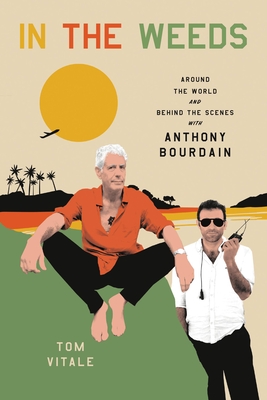
Definitely recommend it to anyone who's a fan.
The Sea by John Banville - a near plotless meditation on memory and grief. I think a lot of critically acclaimed modern literary fiction falls into that category. It reminded me of Deborah Levy's The Man Who Saw Everything, which I felt was an interesting enough experiment that didn't go anywhere.
The difference with The Sea is that Banville's prose is on a different level. His sentences are borderline poetic. He can weave together reminiscences of holidays, first loves, a troubled upbringing, and grief over a recently deceased spouse with consummate skill. HIs prose has a compelling, almost hypnotic effect that's propulsive despite the near absence of a story.
There are times though when Banville's love of a thesaurus can get in the way. The often consulted Kindle's built-in dictionary was sometimes defeated. Some of his metaphors didn't make sense to me even after looking up the obscure word.
The fact I haven't read Huckleberry Finn didn't stop me from enjoying James by Percival Everett. I would probably have liked it even more if I'd read the book on which James is based. The central conceit of the slaves fooling white people by playacting the dumb primitive is both funny and piercing in its commentary.
American Borders by Carla King.
No, not what you think.
In 1995, King more-or-less circumnavigated the continental US by motorcycle (went into Canada and Mexico a little bit, and plans changed on the fly). She had worked out a deal with Ural motorcycles, which were then new to the US market, to use one of their bikes (with a sidecar!) on a long test drive.
A pretty good read, mostly, for those who likes travel stories. A bit too personal for my tastes at times, but those were pretty mild.
RIP John Feinstein


NOFX's autobiography. Total page-turner. I think they said it was a response to Motley Crue's The Dirt. And while the Motley Crue book was pretty crazy, this one makes those guys look like angels.
You probably don't have to be a fan of the band (or even familiar with them) to enjoy it. It has little to do with the music. Each member wrote their own section, and if you get the audiobook, they read their own chapters, with Tommy Chong and Jello Biafra reading for the past members.
I imagine most readers who aren't fans will end up really not liking them. There's a bunch of super heavy and messed up stuff in it, but there are also a lot of funny stories. The drummer's chapters are the best. Forgive my bad review. Anyway, I can't recommend this one enough.
Straight Flush by Ben Mezrich about the founders of Absolute Poker. They had an amazing run. I have to get to Costa Rica someday. It was interesting to see behind the scenes of an online poker site. Surprising how primitive the set up was in the beginning. Easy read. 284 pages. Read it in two days.
It's perhaps unfortunate that I read This Other Eden by Paul Harding soon after reading John Banville's The Sea. Because while Harding may be aiming for hypnotic prose, his efforts pale in comparison to Banville's, who on the basis of these books is in a different league. I found Harding's long sentences gimmicky, a desperate attempt to be lyrical.
The bigger problem with This Other Eden is that it tells a tragic, horrific story that never feels too tragic or horrific. The tale of eugenicists evicting people from an island off Maine should evoke sympathy, disgust, something. Instead, I was frequently a bit bored. The issue is that the characters come across more like representations of the inhabitants and their history rather than people. Each one was more symbolic than an empathetic human being.
Just read The Breaks of the game by David Halberstam about the Portland Trailblazers in the late 70s. It's impressive how the prose just flows from one story to another without seeming disjointed. It has constant anecdotes from the past, jumping to discussions about the finances of the NBA, deep thoughts on each player, their backgrounds. I can see why the book is so famous. I've read a couple of other books by Halberstam (Education of a coach about Bill Belichick, Playing for keeps about Michael Jordan, although I didn't finish this one), but this one stands out.
Also read Invisible Helix by Keigo Higashino. I liked it. Not as good as Devotion of Suspect X, but enjoyable.
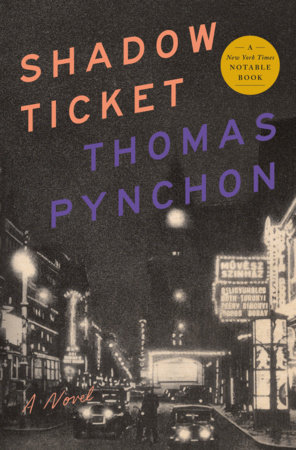
Thomas Pynchon's Shadow Ticket October 7th

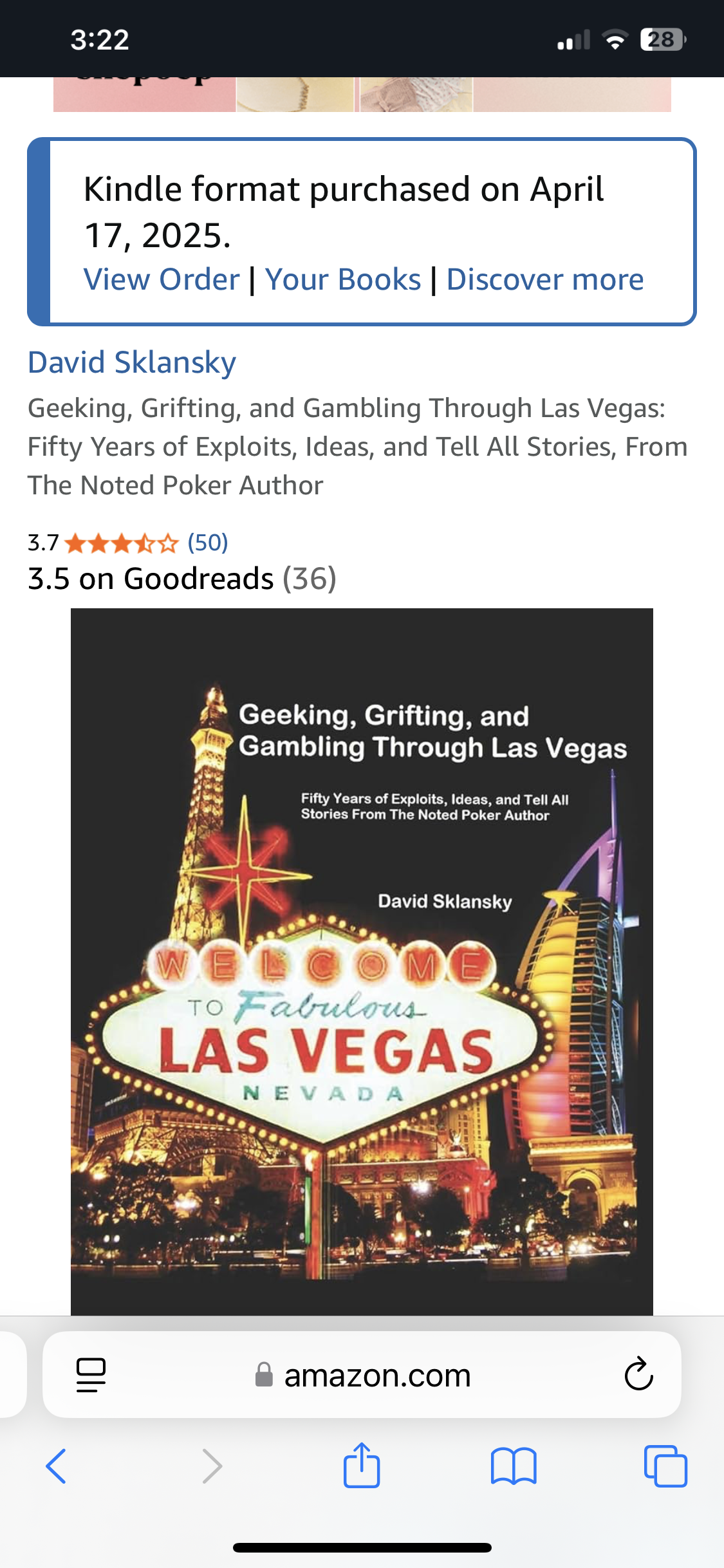

One grift is that a bunch of these Sklansky stories have been previously published elsewhere, such as in DUCY
That era of the NBA is so amazing in hindsight; the way Moses Malone was passed around sums it up perfectly. To his credit, Bill Simmons has written well about it too (ldo not on Halberstam’s level, but funnier).
Education Of A Coach was great too.
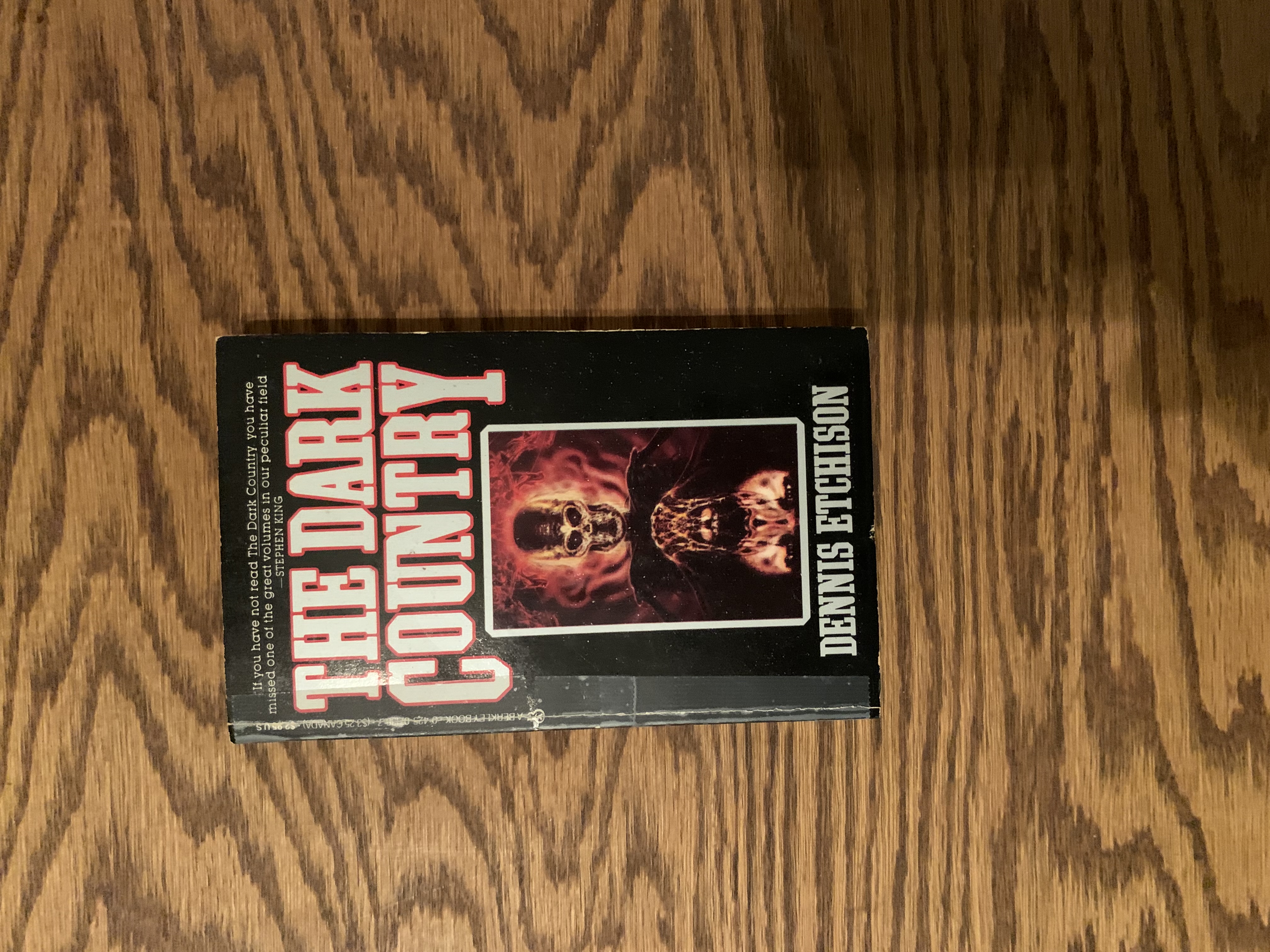
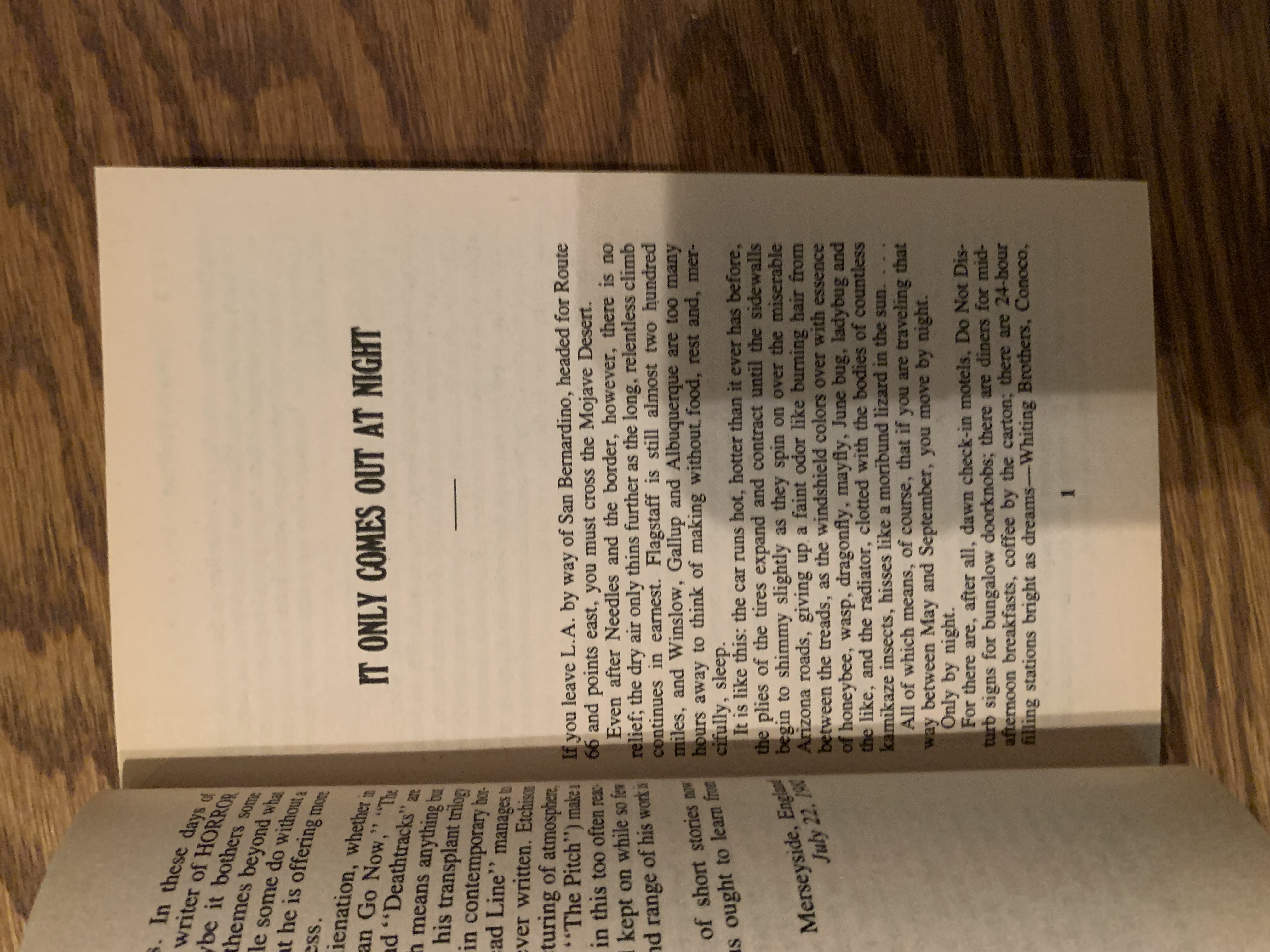
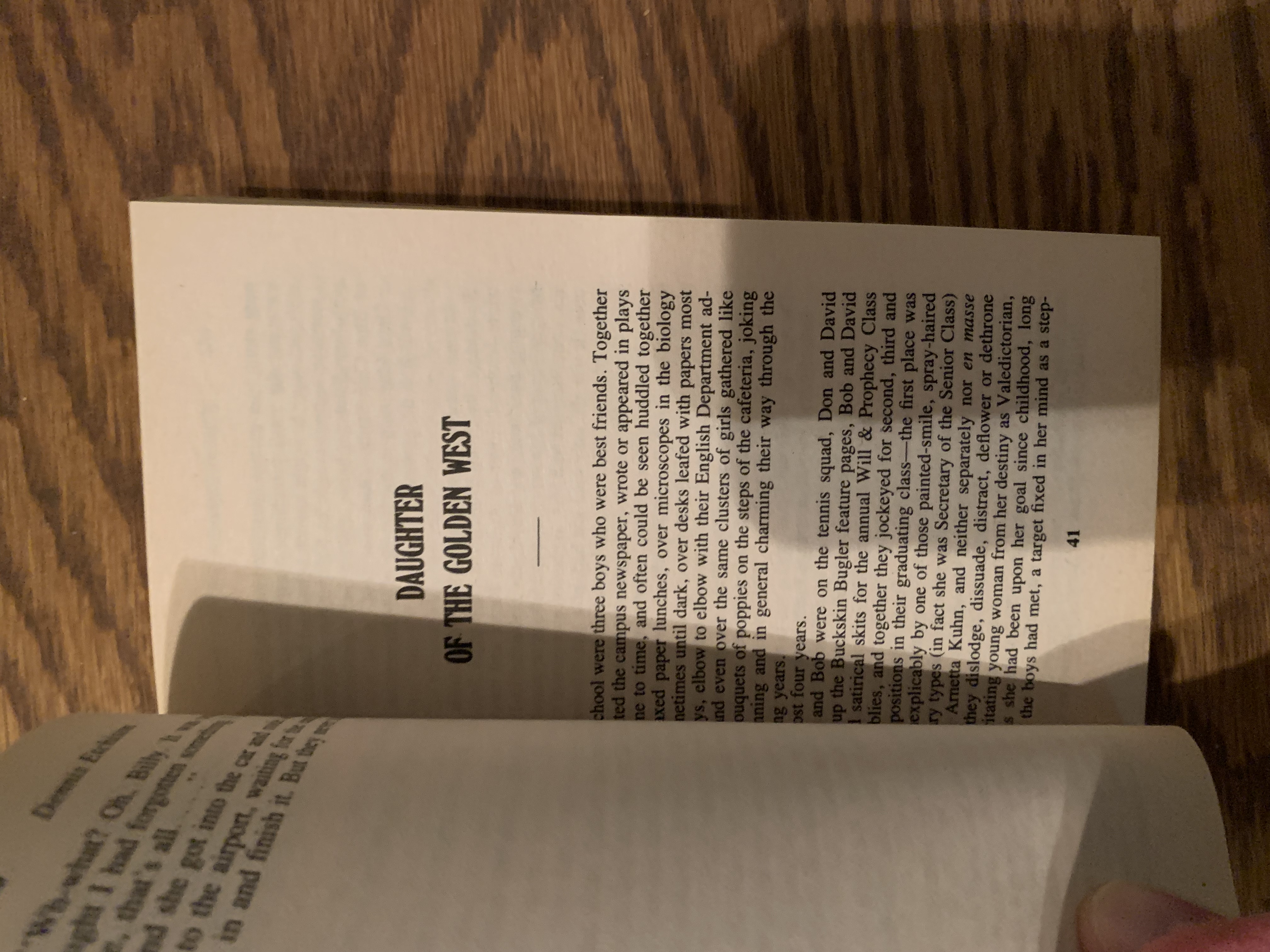
Etchison had a unique style—he spent very little time on trying to build an atmosphere—that didn’t always work but when it did it was quite effective.
He was highly respected by his peers (Stephen King loved him; they alternated stories each month in Cavalier for awhile), but he got lost in the shuffle a bit during the big horror boom.
Interesting to ponder what Etchison might’ve done with the premise of Graveyard Shift, and King with It Only Comes Out At Night.
That era of the NBA is so amazing in hindsight; the way Moses Malone was passed around sums it up perfectly. To his credit, Bill Simmons has written well about it too (ldo not on Halberstam’s level, but funnier).
Education Of A Coach was great too.
To be slightly more fair, Moses was on only two teams btw age 21-30. While the 76ers should have kept him, their bigger mistake was simply not drafting Brad Daugherty #1 overall if they were gonna move Moses.
They traded the pick for Roy freakin' Hinson. FFS.
Then Jeff Ruland was forever hurt -- started 7 games in 6 years for the 76ers and that was the end of the 76ers being a title threat ever again [until Iverson and then barely].

