Possible repeated physical signaling between two players at a live final table
Hello everyone,
I’m posting this to ask for objective analysis from experienced live players and anyone familiar with casino integrity procedures.
During a live tournament final table, I noticed what appears to be repeated, consistent physical gestures between two players (relatives) that seemed correlated with their hole-card strength. I am not claiming intent or guilt, only describing observable behavior and asking whether this would normally be considered problematic.
https://www .youtube.com/watch?v=vVzQ7OwIiP8&t=1586s
Context
• Live multi-table tournament, streamed final stages
• Two related players reached the final table
• Both continued playing against other opponents and were not always avoiding confrontation with each other
⸻
Observations (chronological)
Initial behavior
~1:13:54 – 1:14:07
• One player appears to make eye contact with the other
• A repeated hand gesture occurs afterward
• Following this point, similar gestures appear consistently in later hands
⸻
Repeating pattern observed
Across many hands, the following pattern appeared:
• Open hand → appears correlated with weaker holdings
• Closed fist → appears correlated with stronger holdings
• Semi-open hand → appears correlated with medium-strength hands
These gestures were:
• Repeated many times
• Often made after both players had looked at their cards
• Seemingly directed toward each other rather than generally
⸻
Example hands (non-exhaustive)
• Hands 45–47: open-hand gestures observed; later revealed to be weak holdings
• Hand 49: both players display open hands; one opens light (92o) after confirming the other appears weak
• Hands 50–51: semi-open hand gestures; later revealed to be ATo / A9o
• Hand 52: closed fist observed; later revealed to be 99
• Hands 56–57: one player shows closed fist, the other open hand; later confirmed as TT vs 88
• Hands 80–83: repeated closed-fist gestures; later confirmed strong holdings (QQ, AQ)
• Hand 84: one player clearly shows a closed fist directly toward the other before acting
• Hands 85–93: signaling continues, mostly indicating weak holdings
• Hands 104–108: multiple instances where a strong-holding gesture appears before aggressive action; gestures appear acknowledged by the other player
In many of these hands, action seemed to occur only after both players had seen their cards.
⸻
After the deal
A deal was made with remaining prize money, yet:
• Similar gestures continued afterward
• Even though incentives were reduced
⸻
Important clarifications
• I am not claiming chip dumping
• I am not claiming soft-play in every hand
• The players did engage in pots against each other
• I am not presenting this as proof, only as a pattern that raised concerns
⸻
Questions for the community
1. From a live-poker perspective, do these repeated, consistent gestures raise red flags?
2. How would casinos normally evaluate this kind of behavior?
3. Is this something typically classified as:
• Innocent habit?
• Poor table etiquette?
• Or potential signaling requiring intervention?
4. What additional evidence would usually be required for this to be considered collusion?
I appreciate any objective input. I’m mainly interested in understanding where the line is between coincidence, bad optics, and actionable integrity concerns.
Thank you.
15 Replies

This would be extremely problematic to me if I saw it happening during a tournament. Especially at a final table.
I would look to let the Tournament Director (TD) know what is happening once I am convinced that it is a problem. I would likely have to wait until the next break to do that because leaving the table while hands are being played would be a disadvantage (missed hands) and could also possibly be deduced by the colluders.
The advantage you have is that you now know the effective strength of two players hands basically every hand. In a way we kind of know this anyway based on whether people are raising, folding, and calling but sometimes their betting patterns can be different than the strength of their hands. But if they are raising weak hands (and then folding) because their partner has a strong hand then it changes everything.
I'm guessing that they don't continue to signal once the flop has been dealt. But if they did, then you would be able to tell the strength of their hands on every street as well.
The other thing that could happen once you tell the TD is that they both could be disqualified.

Questions for the community 1. From a live-poker perspective, do these repeated, consistent gestures raise red flags? 2. How would casinos normally evaluate this kind of behavior? 3. Is this something typically classified as: • Innocent habit? • Poor table etiquette? • Or potential signaling requiring intervention? 4. What additional evidence would usually be required for this
While it might raise some minor red flags, I don't think ai would be too worried. Of two people are going to cheat their signs will most likely be subtle than what you describe. What is more likely happening is two people who intimately know each other being nervous about going up against each other and giving off emotional tells.
It is human nature to want to communicate to a friendly person when things are going well (i.e. you have a good hand), especially if it is a person you have spent hours studying with. It is all so human nature to seek approval from those you respect when you are making a play (i.e. bluffing) or making a borderline action.
Given the how obvious the signs are, I really do not think they were colluding. I think it was nervousness on their part.
That said, maybe it was a clumsy form of collusion. One can never be too paranoid about cheating.....
As Rick mentioned though, even if worse case they were colluding, you cracked their code and was gaining as much information (if not more) than they were about each other's hands. Use it to your advantage.
I understand your point, and I agree that human nature and emotional leakage—especially between people who know each other well—can explain a lot of incidental behavior at the table.
That said, what raised concern for me wasn’t a single reaction or a vague emotional tell, but the consistency and timing of the behavior, always occurring after both players had looked at their cards and before action, and repeating across many hands. Nervousness or seeking approval usually shows up randomly and inconsistently; patterns tied so closely to decision points are what made this stand out.
I also agree that most intentional collusion is subtle. However, “subtle” doesn’t necessarily mean unnoticeable—it often means habitual and repeatable, which is exactly why it becomes detectable over time.
Regarding the idea that I could simply “use it to my advantage”: while that may be true from a purely EV standpoint in the moment, it doesn’t really solve the broader issue. Once two players have reliable information about each other’s hand strength, the entire table’s strategic environment is distorted. Even if a third player partially decodes it, the game is no longer being played on equal footing.
That said, I do acknowledge the possibility that this could have been clumsy or unconscious behavior rather than deliberate collusion. My intent isn’t to accuse lightly, but to point out behavior that—at minimum—falls into a grey area that tournaments should take seriously.
Appreciate the balanced take. This is exactly why these discussions matter—because the line between human behavior and unfair advantage isn’t always obvious, but it’s still important to examine.

How many final tables do relatives make together? 😉
But was their "truth" is that they are fierce competitors ��
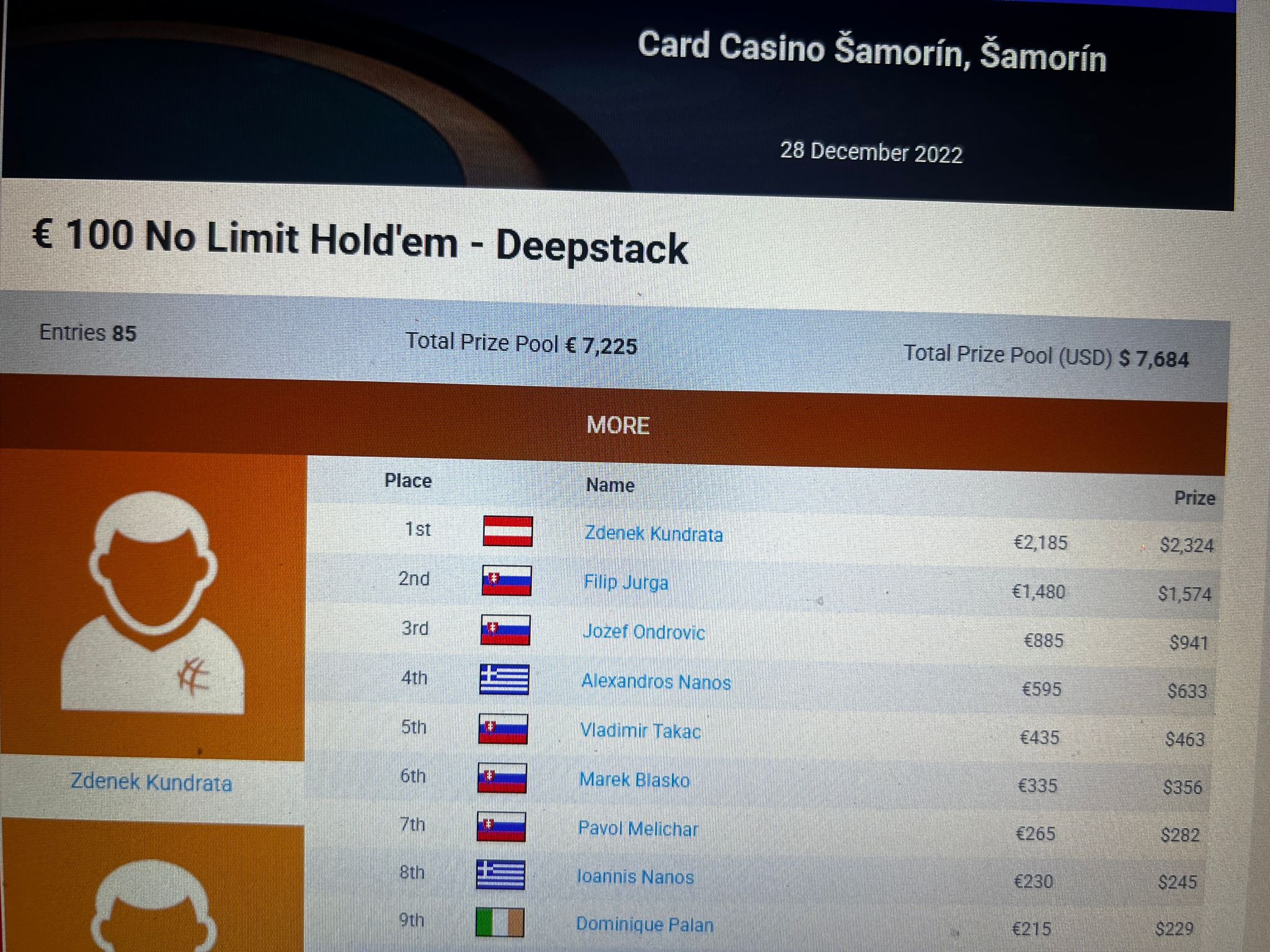
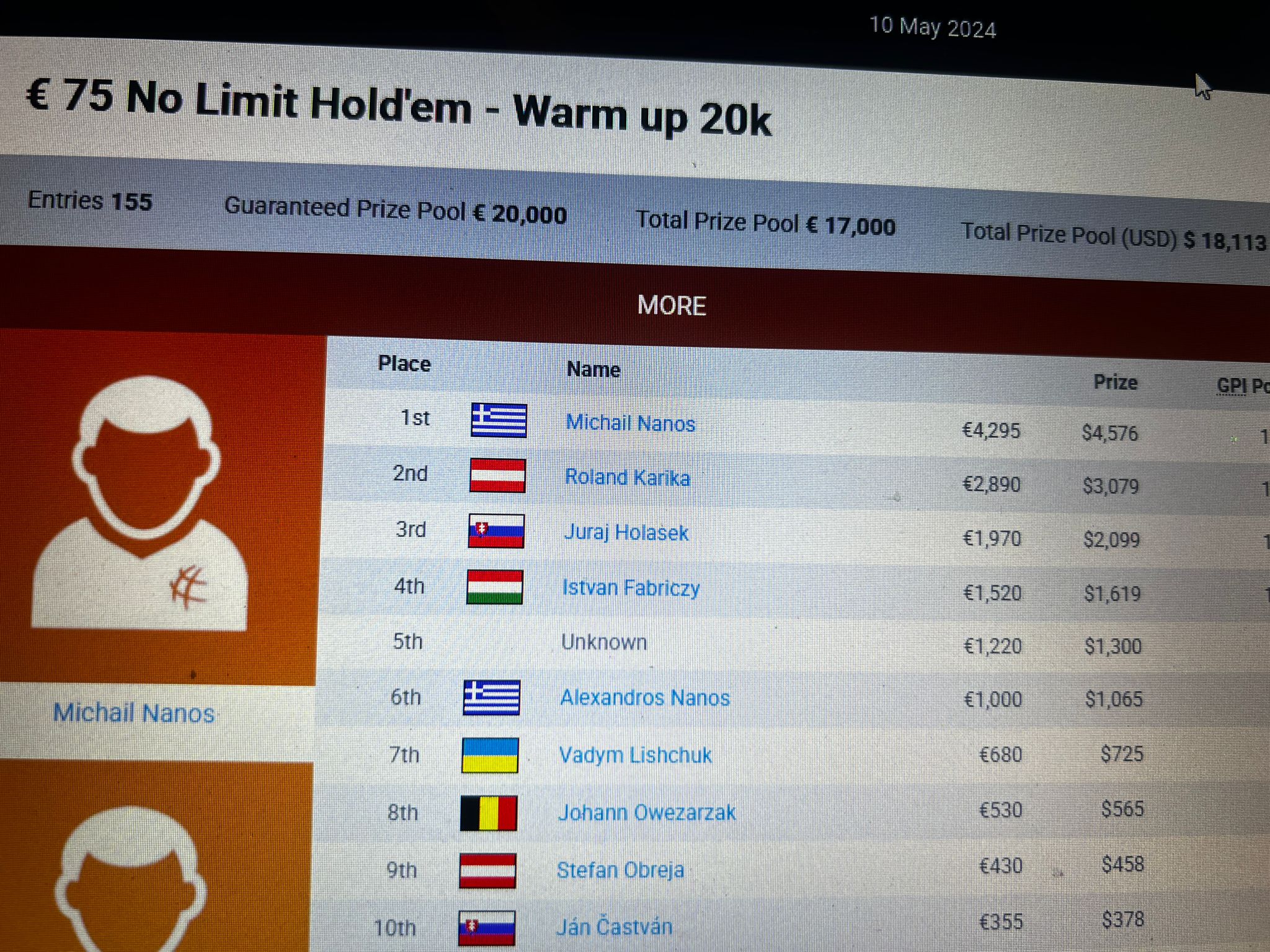
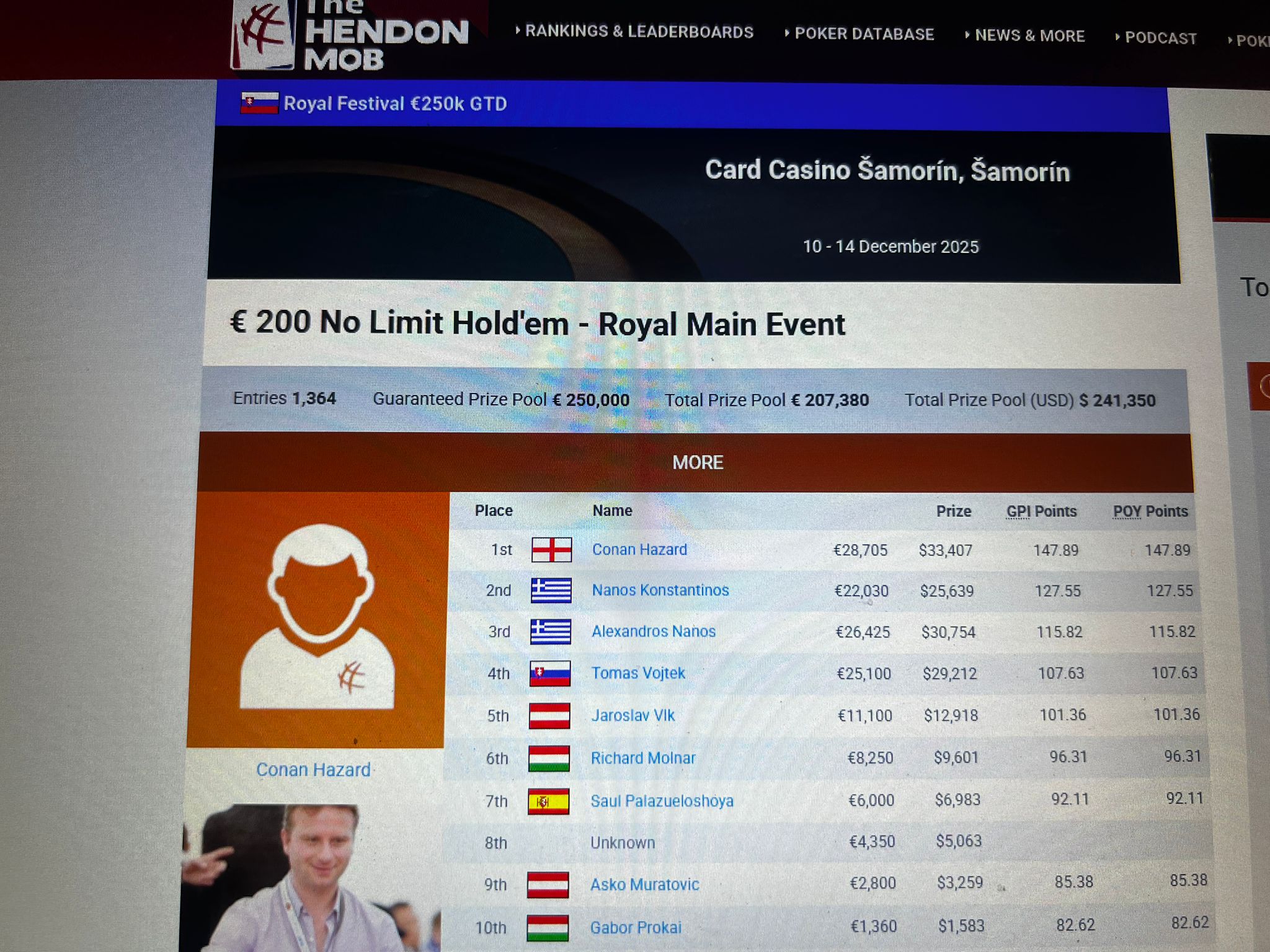
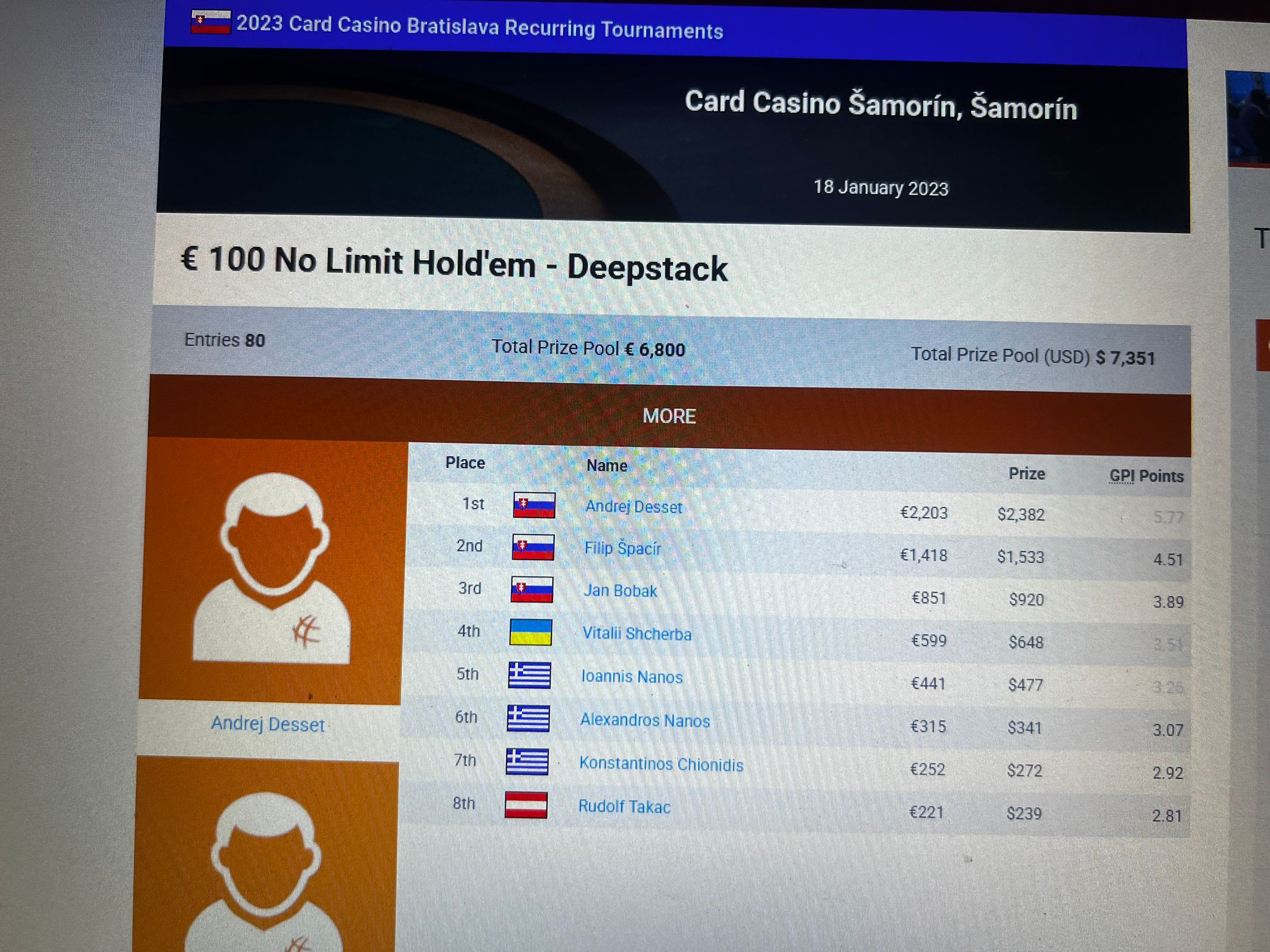
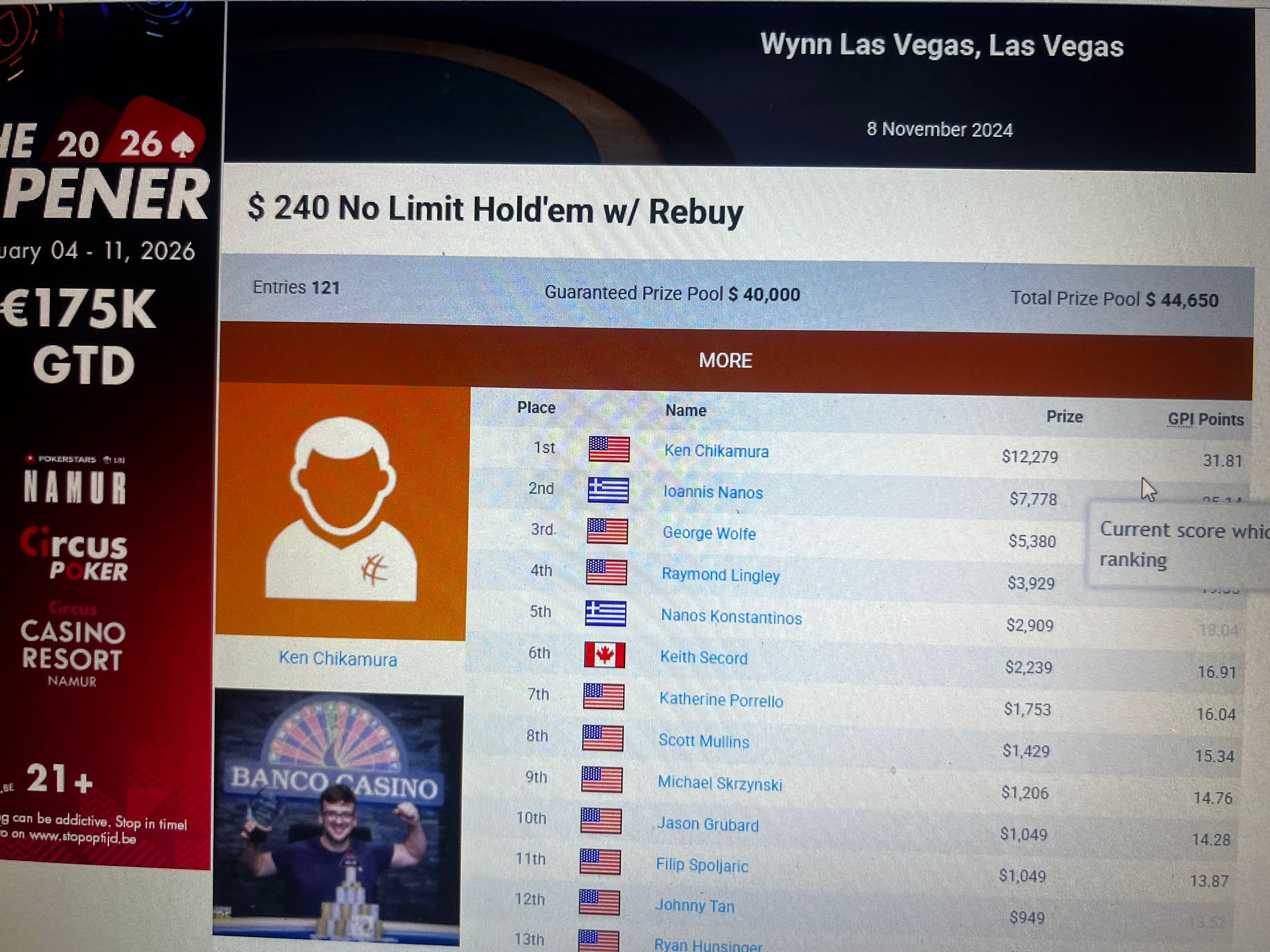
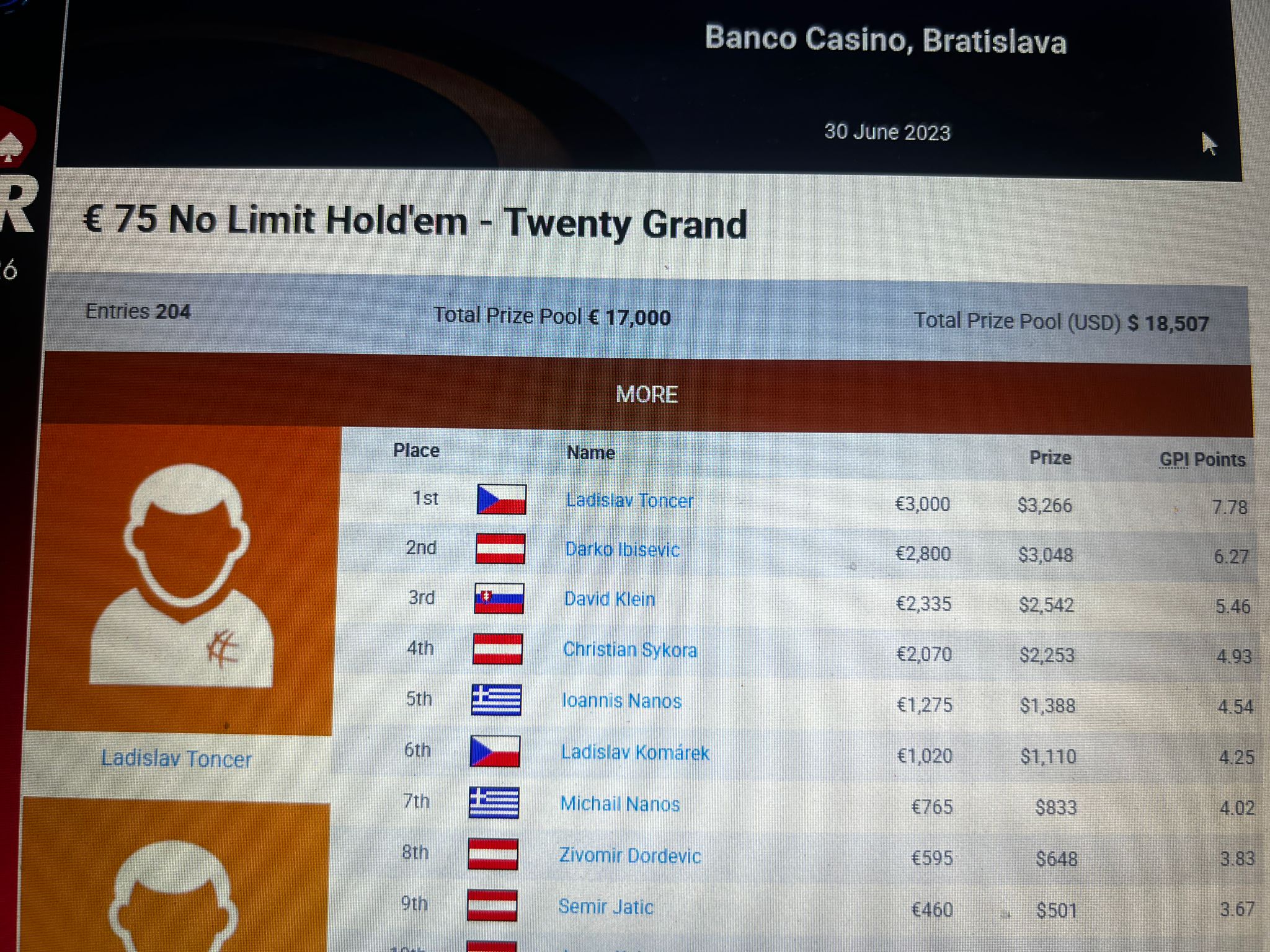
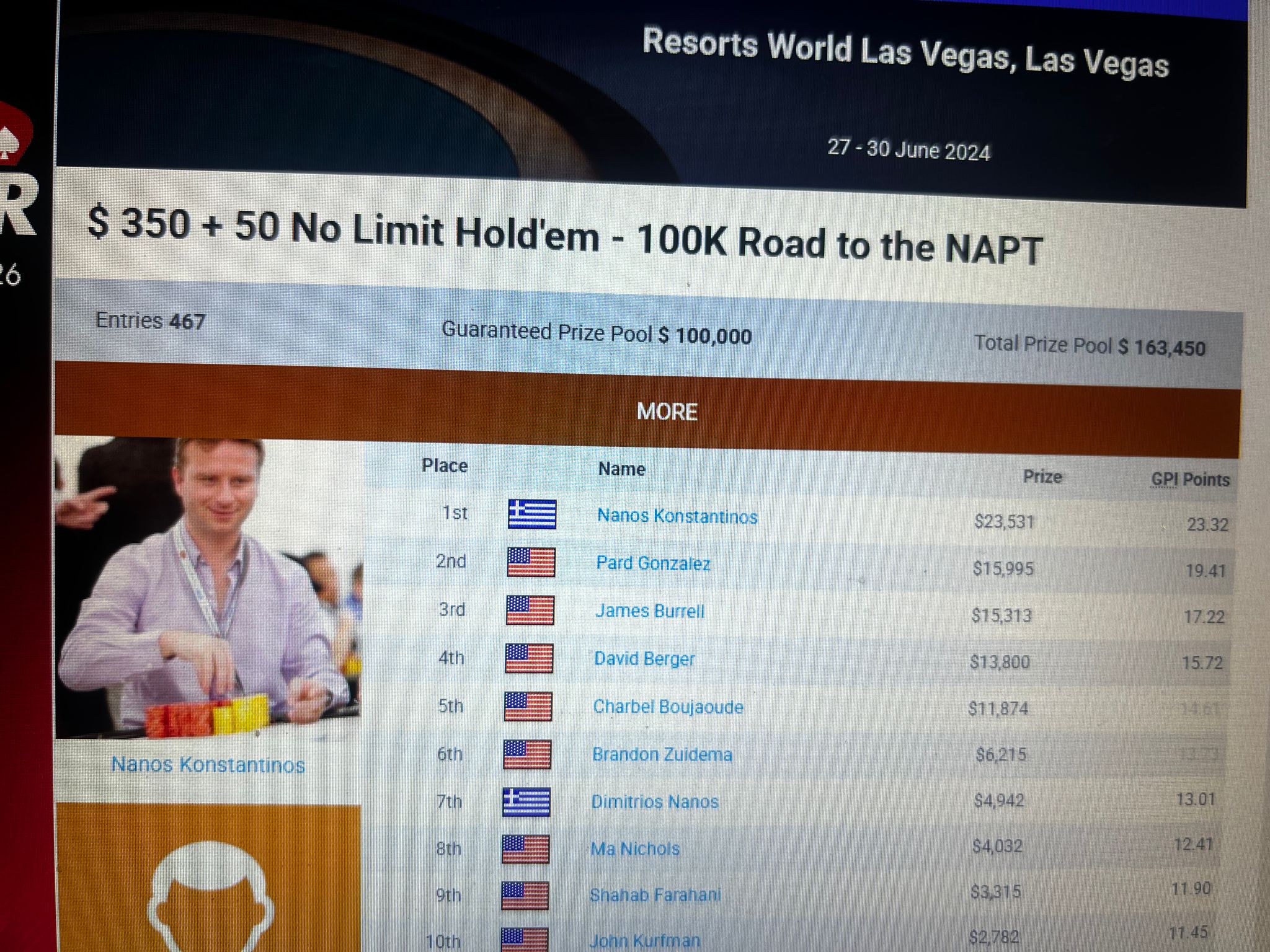
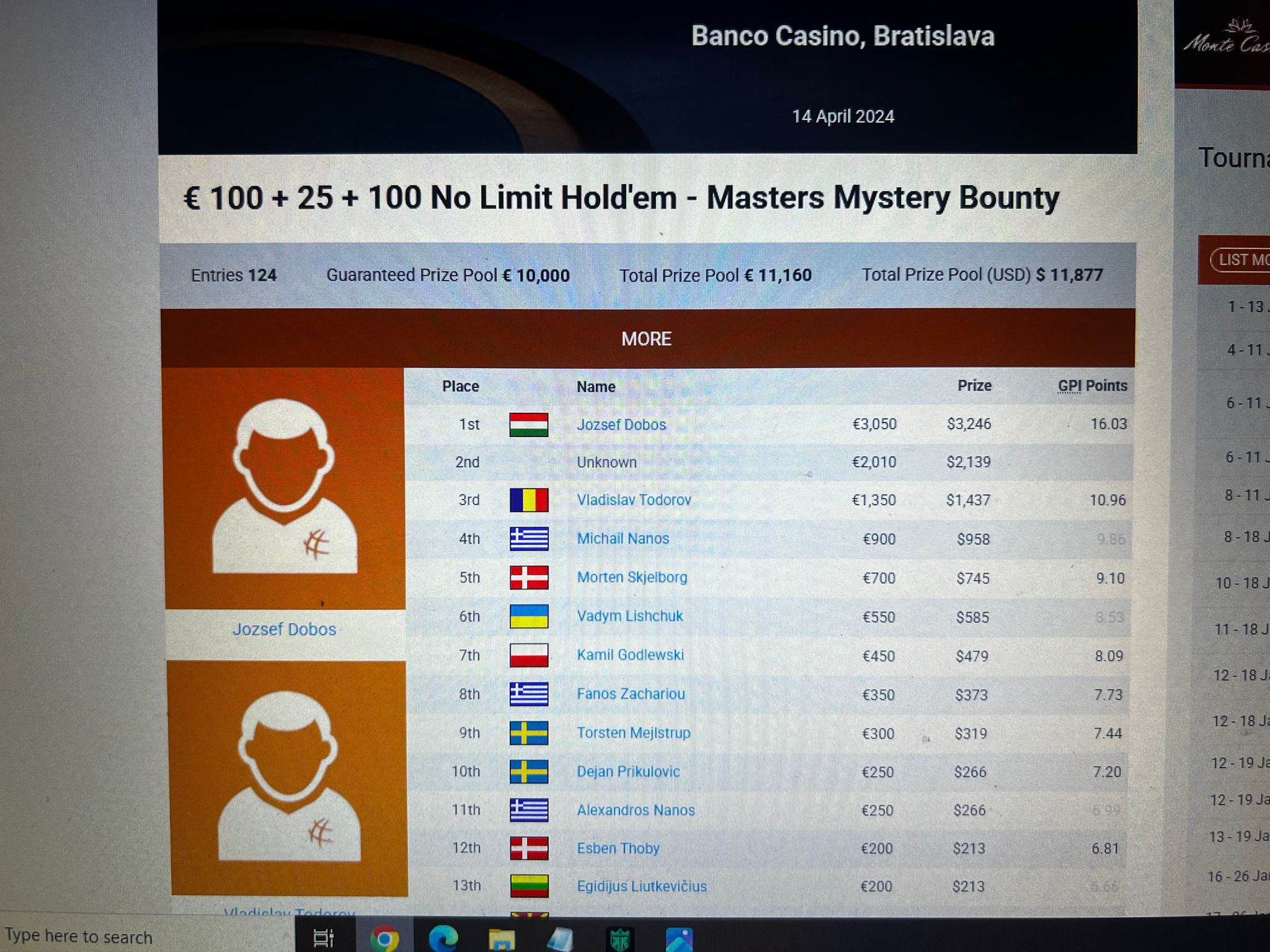
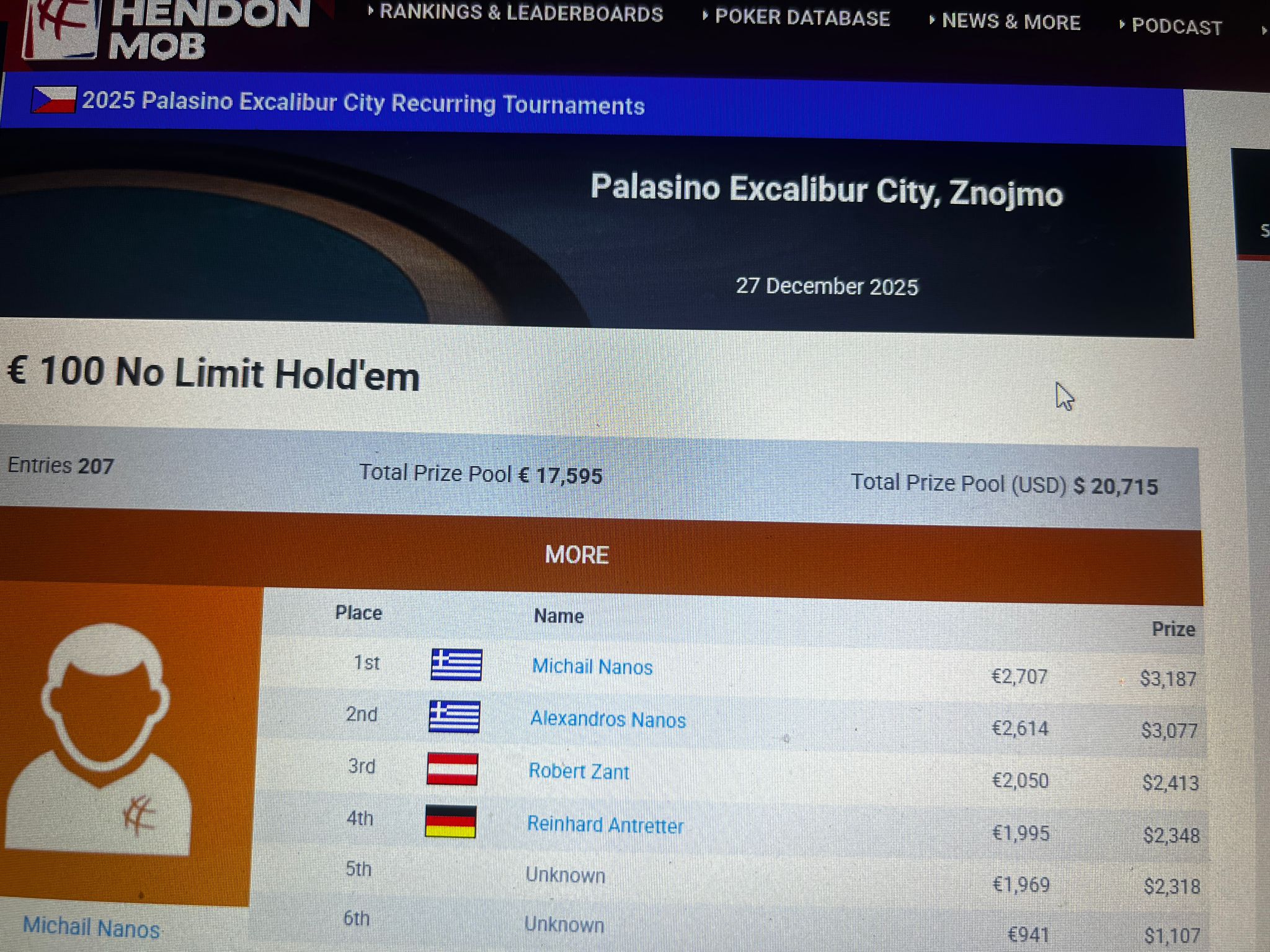
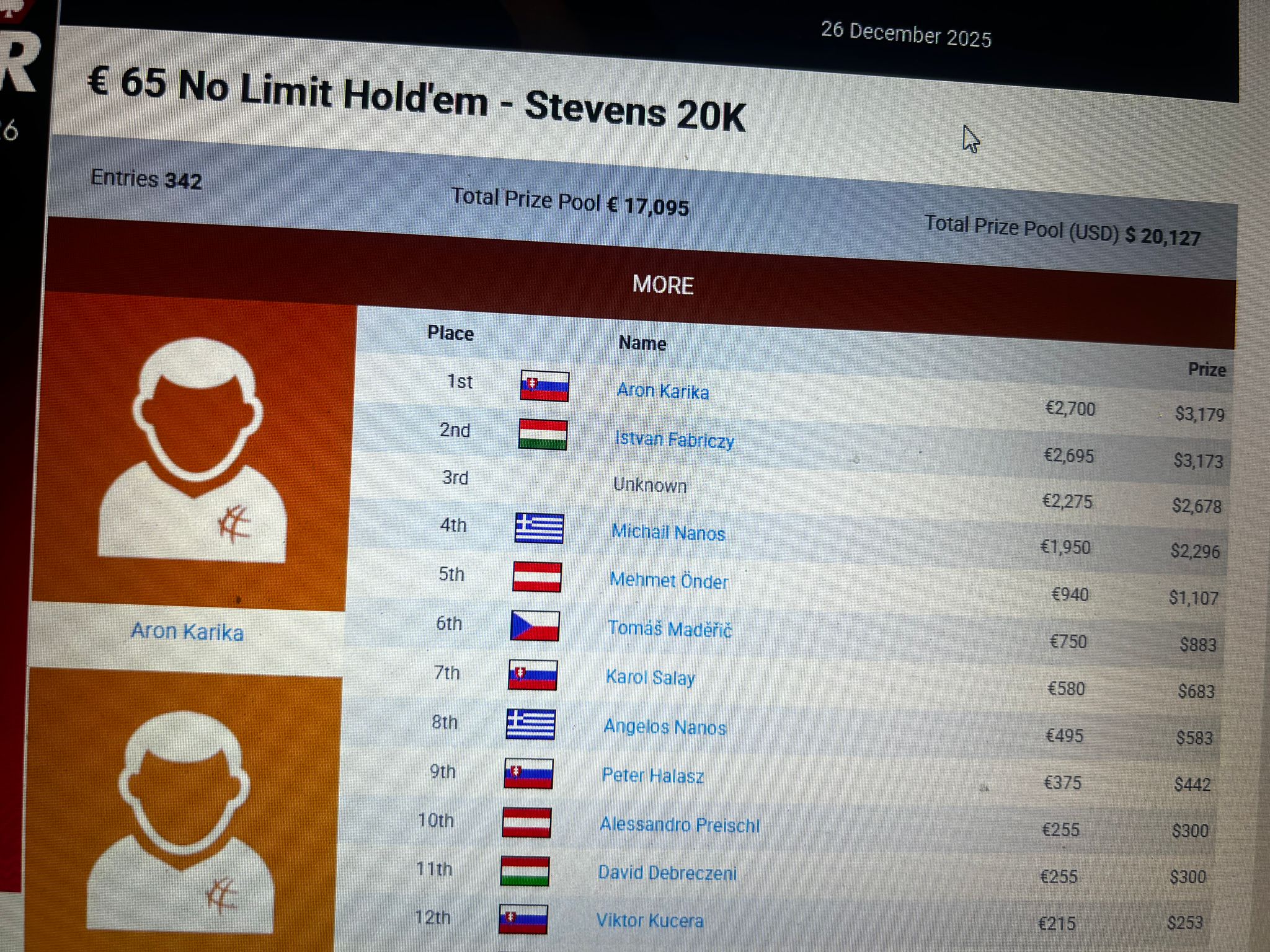
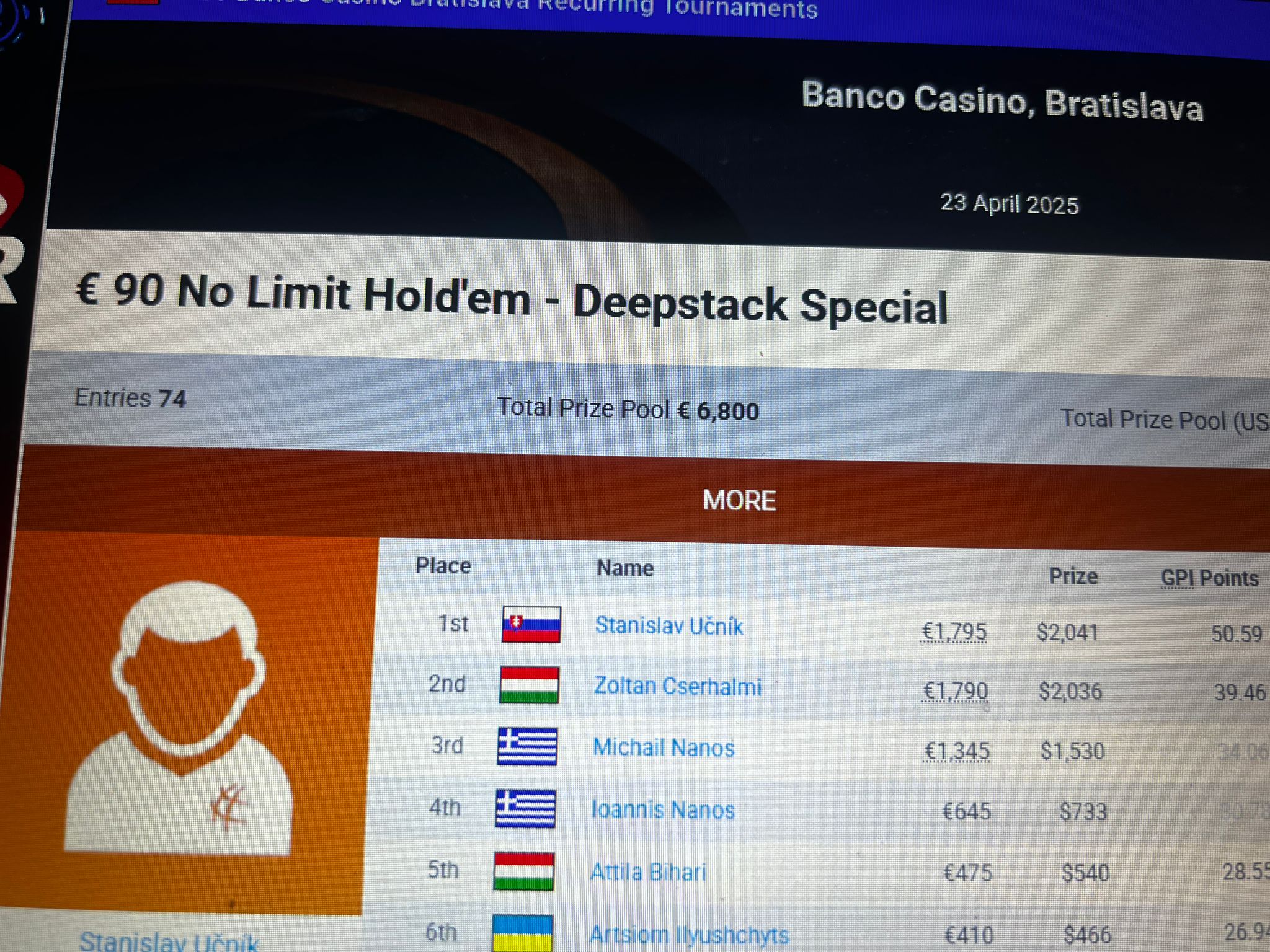
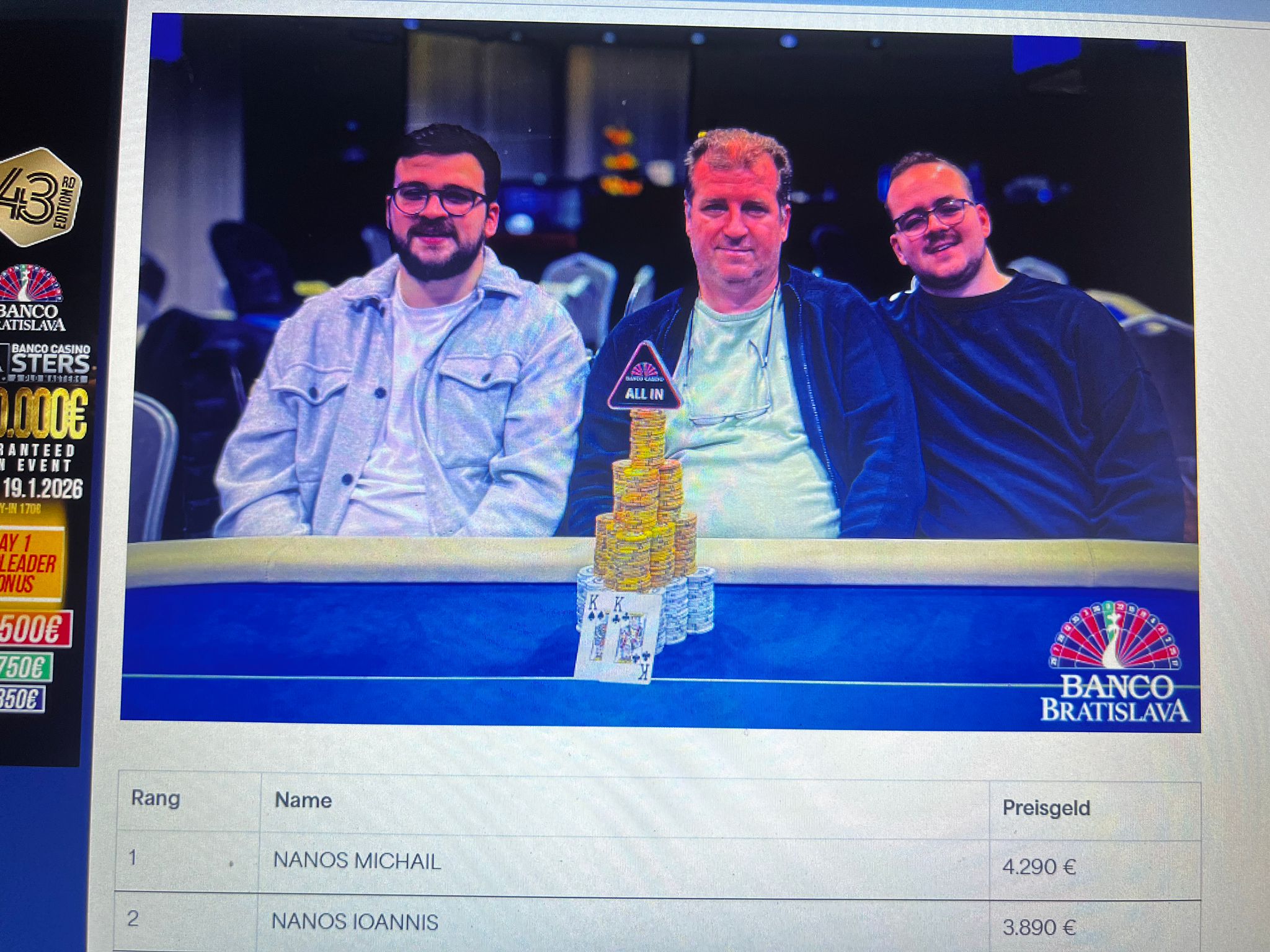
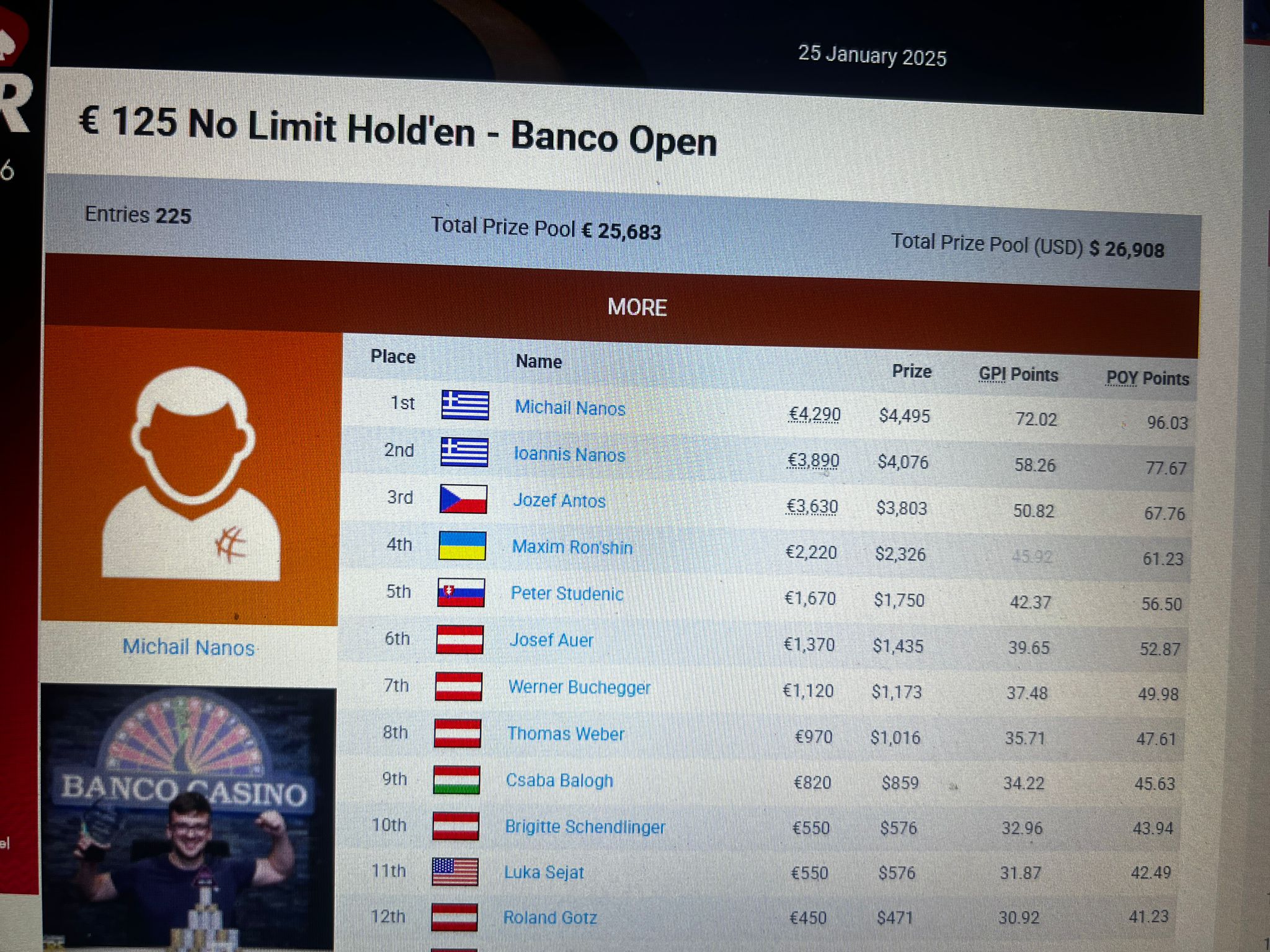
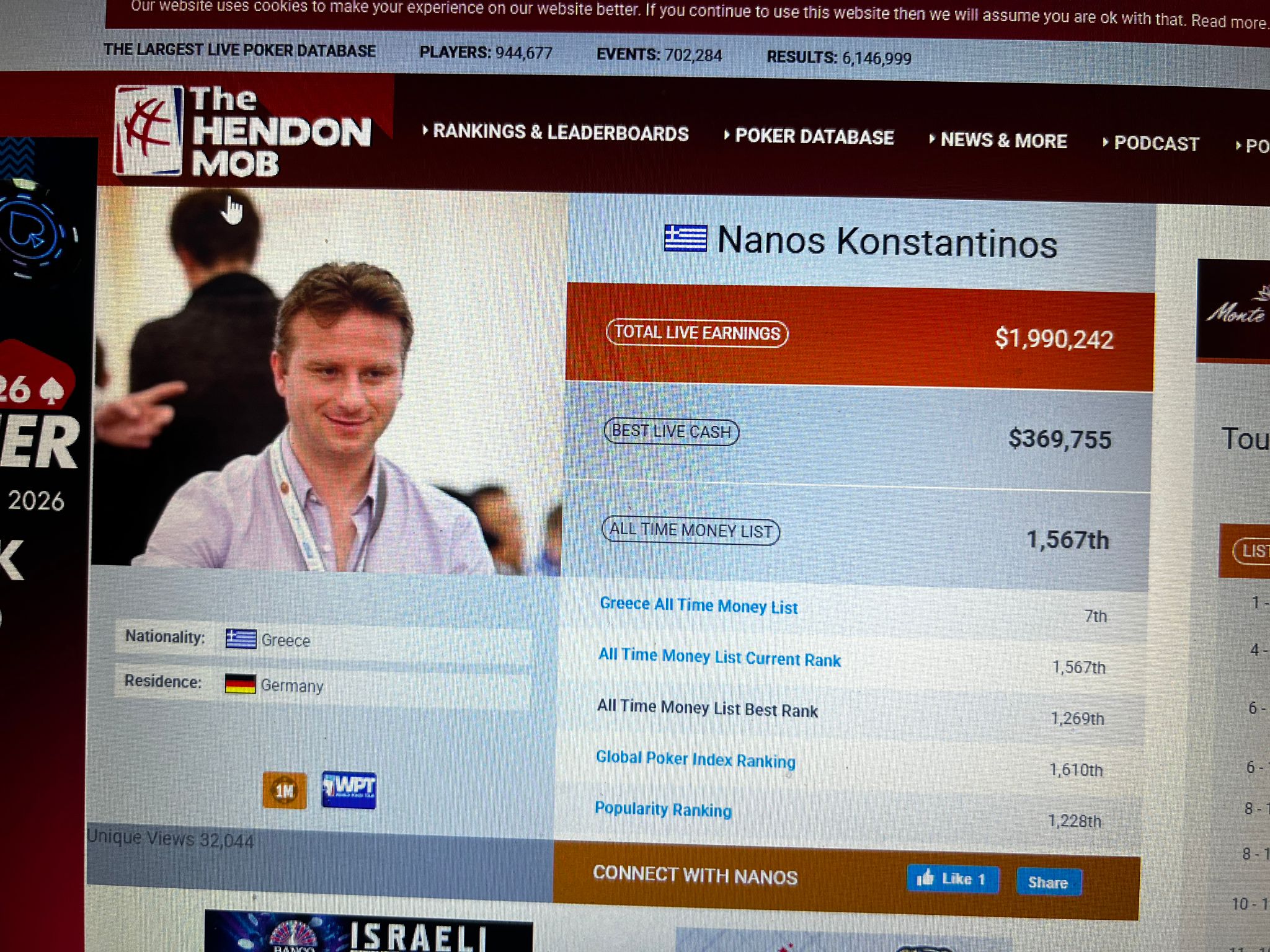
everithing started at hand 26 when there where 11 players ans stoped at hand 113 about 80 hands all that were signaled bittwin the uncle and the nephew here is all the timeline and all that they where signaling :
everithing startet at minute 1:13:54 , when Konstantinos makes a sighn to Alexandros to look at him and after that he squezes hes fispump for Alexandros to know that they will start signaling to each other.
and at 1:14:02 he is reconfiming it at 1:14:07 afterhe folds he is thumbs up, confirming to Alexandros that they will start signaling it.
1:23:35 they are fiting theyr hands, congratulating theirself
hand 45 konstantinos is in big blind and looks at he cards when they are delted to signals with the open hand that he has no good cards
hand 46 konstantinos is in small looks at his cards and makes the sign with the hand that he doesn't have good cards.
HAND 47 they bout have theyr hand open as they don't have good cards
hand 49 they bouth have their hands open , thei don't have good cards konstantinos opens 92o hj after he nows alexandros doesn't have good cards
hand 50 konstantinos has a middleing hand A10o, seems like his fis pump is semi open signaling that he has something but is not top range alexandros hand is not vizible on the stream but casino cameras can se it if it is open or close to send signal.
hand 51 konstantinos has fis pump semi open , middle range card A9o alexandros hand lear sending the i don't have good cards and he folds.
3:18:50 hand 52 one of the first hands with clear strong holding and clear fiss pump closed from konstantinos as confirmed he has 99 , alexandros has his hand open sending signal he has no good cards
3:22:48 hand 54 konstantinos signaling he doesn't have strong holdings
3:24:44 hand 55 konstantinos signaling he doesn't have strong holdings plaing post flop with somebodyelse he doesn't continue to send the signal he plays with his chips
3:28:55 HAND 56 ALEXANDROS SENDS ONE OF HIS FIRST SIGNAL THAT HE IS IN TOP RANGE 3:29:01 CHECKS FOR KONSTANTINOS STRENGHT HAND AND HE GETS THE ANSWER THAT HE IS WEEK CONFIRMED HE HAS 1010
3:32:13 HAND 57 ALEXANDROS SEND SIGLA WITH HIS FISPUMP CLOSED THAT HE IS IN TOP RANGE 3:32:23 KONSTANTINOS HAS HIS HAND OPEN SIGNALING WEEK HOLDINGS.AS CONFIRMED HE HAS 88
3:35:24 hand 58 konstantinos with his open hand confirms week holdings , on these ocasion alexandros hand can't beee seen ot stream but the casino can look to see how it was the position.
3:39:14 hand 59 konstantinos naturaly pus his fis pump semiopen, realise that he could give fake signals, he opens it imideatly to show the week holdings
3:41:05 hand 60 konstantinos has hes hand open to signal he has a week holding, alexandros hand is not on strema, but the casino ccould look for other angles to see how he is holding it as he has 66
the signaling continues but they are not involven in any spots, only hand 68 and 69 where he cand hove "lighter" because he seez that alexandros has week holdings
4:05:41 hand 70 konstantinos gives the sign that he is week and alexandros opens utg q5o on hes BB
4:25:36 HAND 80 SIGNALED BY KONSTANTINOS HE IS IN TOP RANGE QQ he only started play limp from bu after he was mouved and in big is alexandros
4:31:49 HAND 82 SIGNAL WITH THE FIS PUMP CLOSED SIGNALING TOP RANGE FROM KONSTANTINOS aq
4:33:47 HAND 83 Alexandros has his fispump semi open signaling almost top range if konstantinos is not in the hand he doesen't signal anymore
4:36:21 HAND 84 ALEXANDROS SHOWS HIS FIS PUMP DIRECTLY TO KONSTANTINOS AFTER THAT HE PUTS IT ON THE TABLE THESE IS A CLEAR SIGN!!!!!!!!!!!!!
4:40:06 hand 85 Konstantinos makes sign to alexandros that he has week holdings (casino can check even where is looking alexandros befor acting as they have all the angles of the cameras and they check even befor the last 16 players if they where at the same table if they make the same signs, Alexandros has another brother that he plays there and theyr father, casino if they want the can check if they colluded before but casino doesn't want to see these collusion.)
4:41:45 hand 86 they both make signals to each other that they have week holdings
4:44:47 hand 87 they both signals to each other that they have week holdings
4:47:51 hand 89 alexandros signals to konstantinos he has week holdings
4:50:40 hand 90 konstantinos signals to alexandros and befor the hand he even seems to tell him that he should open on his bb
4:51:52 hand 91 alexandros signals that he is in top range (he has AQ) konstantinos that he has week holdings
5:05:19 hand 93 and they continue the signals
they make a deal konstantinos 16bb takes 22.030euros nieto 34bb 25.205euros alexandros 37bb 26.425euros thomas 43bb 25.100euros and they play for 3500euros
5:27:22 signaling continues even if they play only for 3.500euros
5:38:37 to 5:38:43 is pretty interesting if we have lip readers experts around here in greek language to translate what are they say'ing chat gpt is saiyng that he is saying something about " you have it good strong no pass fold have it " so for sure is wisperig something about the collusion that they are doing MORE EXACLY TO HIM TO BE ATENT AND GIVE SIGNALS OF THE HAND STRENGHT
5:39:40 hand 100 alexandros has hand open to signal the week holding
5:40:32 hand 101 konstantinos gives sign as a week holding
5:41:27 hand 102 alexandros gives sign of wek holding
5:42:24 hand 103 konstantinos gives sign for week holding
5:45:47 HAND 104 ALEXANDROS GIVES SIGN AS STRONG HOLDING AND HE LOOKS AT KONSTANTINOS TO SEE IF HE SAW IT, KONSTANTINOS PREPARES HIS CIPS BUT DOESN.T OPEN UNTIL HE GIVES TO THE SIGN THAT HE TO IS IN TOP RANGE AND OPENS AK 5:46:09 COMENTATORS SAY IT AS A JOKE, DON'T KNOW THAT THAT IS THE TRUTH ALEXANDROS WITH AA JUST CALLS ON THE FLOP KONSTANTINOS SIGNALS THAT HE IS NO MORE IN THE TOP RANGE , ALEXANDROS IS KEEPING THE FISS PUMP SIGNALING HE STILL IS IN TOP RANGE.
5:48:07 HAND 105 kostantinos signals that he has week holdings
5:50:30 hand 106 they are both signaling week holdings
5:51:48 HAND 107 THEY BOTH SIGNALING TOP RANGE, THEY CANNOT FOLD AS PLAYED.
5:55:24 HAND 108 ALEXANDROS SIGNALS TOP RANGE HE HAS AK, HE COUNTS HES STACK AS HE WAITS FOR THE SIGNAL FROM KONSTANTINOS AT 5:55:40 HE EVEN LOOKS AT KONSTANTINOS HAND BEFORE HE PUTS IN THE BET
5:56:29 HAND 109 alexandros gives signal of top range, konstantinos gives signal of week range
5:58:44 hand 110 alexandros gives signal of week holdings
6:01:48 hand 111 konstantinos gives signal of week hand the same as alexandros knowing these konstantinos after nieto calls squezes 72o
6:05:45 hand 112 konstantinos gives signal of week holdings , alexandros seems like semi closed fiss pump si a middle range
6:04:21 hand 113 alexandros gives signal that he has middle holdings
06:07:45 hand 115 they bouth give signal that tey have week holdings
all these time from hand 45 they act only after they bouth are seeing theyr cards.
Suspected Non-Verbal Signaling / Collusion – Detailed Timeline & Pattern Analysis
I’m posting this to get objective feedback from experienced players and integrity-minded posters.
This is not a rant and not based on feelings it’s a timestamped behavioral analysis from a streamed live tournament.
Players involved
• NANOS Konstantinos
• NANOS Alexandros
(Relationship between them is known uncle and nephew.
⸻
1. Initiation of Signaling Pattern
• 01:13:54 – Konstantinos initiates eye contact with Alexandros and performs a closed-fist gesture.
• 01:14:02 – Reconfirms the gesture.
• 01:14:07 – After folding, gives a thumbs-up toward Alexandros.
• 01:23:35 – Mutual hand contact / fist interaction, consistent with confirmation or reinforcement.
From this point onward, a consistent hand-gesture system appears to be used.
⸻
2. Defined Gesture Meanings (Observed Consistently)
Based on repetition and later card confirmation:
• Closed fist → strong / top-range holding
• Semi-open fist → medium holding
• Open hand → weak holding
• Eye contact before action → confirmation check
• Action delayed until both players see cards → coordination indicator
I’m aware live reads exist — what stood out here is repeatability + confirmation behavior.
⸻
3. Chronological Hand Examples (Condensed)
Hands 45–51
• Hand 45: Konstantinos (BB) looks at cards → open hand (weak).
• Hand 46: Same behavior from SB.
• Hand 47: Both players signal weak.
• Hand 49: Both signal weak → Konstantinos opens 92o from HJ, after confirming Alexandros’ weakness.
• Hand 50: Konstantinos signals semi-open fist (later confirmed ATo).
• Hand 51: Konstantinos signals medium (A9o); Alexandros signals weak and folds.
⸻
Hands 52–60 (Accuracy Becomes Clear)
• Hand 52 (03:18:50): Konstantinos signals strong → later shows 99. Alexandros signals weak.
• Hand 56 (03:28:55): Alexandros signals strong, checks Konstantinos’ response → Konstantinos signals weak. Alexandros later shows TT.
• Hand 57 (03:32:13): Alexandros signals strong → Konstantinos signals weak. Hole cards confirm TT vs 88.
• Hand 60: Konstantinos signals weak; Alexandros later confirmed holding 66.
At this point, signal accuracy is no longer anecdotal.
⸻
Hands 70–90 (Strategic Exploitation)
• Hand 70: Konstantinos signals weak → Alexandros opens Q5o UTG.
• Hand 80: Konstantinos signals strong (QQ) and changes strategy (limps BU after table movement with Alexandros in BB).
• Hand 84 (04:36:21): Alexandros directly shows a closed fist toward Konstantinos, then places his hand on the table. This is the clearest directed signal.
⸻
Post-Deal Continuation
A deal is made, play continues for €3.5k — signaling does not stop.
• Hand 104 (05:45:47): Alexandros signals strong (AA), waits for Konstantinos’ response. Konstantinos signals strong (AK) and opens only after confirmation.
• Hand 108 (05:55:24): Alexandros signals strong (AK), visibly waits for Konstantinos’ signal before betting.
• Hand 111: Both signal weak → Konstantinos squeezes 72o after confirming Alexandros’ weakness.
Signaling continues through Hand 115.
⸻
4. Why This Feels Different From “Live Reads”
What stood out to me (and others watching):
1. Consistency of the same gestures
2. Confirmation checks before action
3. Delayed decisions until both players see cards
4. Accuracy when hole cards are revealed
5. Strategic range widening only when partner signals weakness
6. Continuation even after a deal
This is not about one hand or intuition — it’s about conditional dependency.
⸻
5. Questions for the 2+2 Community
I’d genuinely appreciate input from high-level players and anyone with integrity experience:
1. At what point does repeated non-verbal communication cross from “live tells” into prohibited signaling?
2. How much signal accuracy + conditional action dependency is normally needed before casinos act?
3. Have others seen similar cases where gesture systems were later confirmed as collusion?
4. Am I missing an alternative explanation that accounts for:
• the confirmation checks
• the timing dependency
• and the accuracy across many hands?
I’m happy to be challenged — my goal here is truth and game integrity, not drama.
Thanks to anyone willing to review this seriously
First of all, hats off to the OP for the amount of work put into this.
Doing this level of research and carefully analyzing the stream frame by frame is not easy, and the effort deserves real appreciation.
It’s also important to clarify something: the casino and the rest of the players are not to blame here. If collusion occurred, it was the responsibility of the two players involved, who repeatedly exchanged signals and communicated hand strength hand after hand. That behavior alone, if confirmed, is unacceptable and against the integrity of the game.
What really matters now is transparency and accountability.
Could the casino please clarify what actions have been taken (or will be taken) against the two players involved?
Were they questioned, sanctioned, suspended, or banned from future events?
Once again, congratulations to the OP for the solid research and stream analysis. This is exactly the kind of community effort that helps keep poker fair and protects both players and operators.
Collusion proven. Clear footage. A vague response.
Clear video evidence has been presented and analyzed frame by frame, indicating repeated collusion between Konstantinos Nanos and Alexandros Nanos: signaling, visual confirmations, communication of hand strength, hand after hand.
This is not about interpretations or “coincidences”, but about clear patterns, documented and explained step by step by the community.
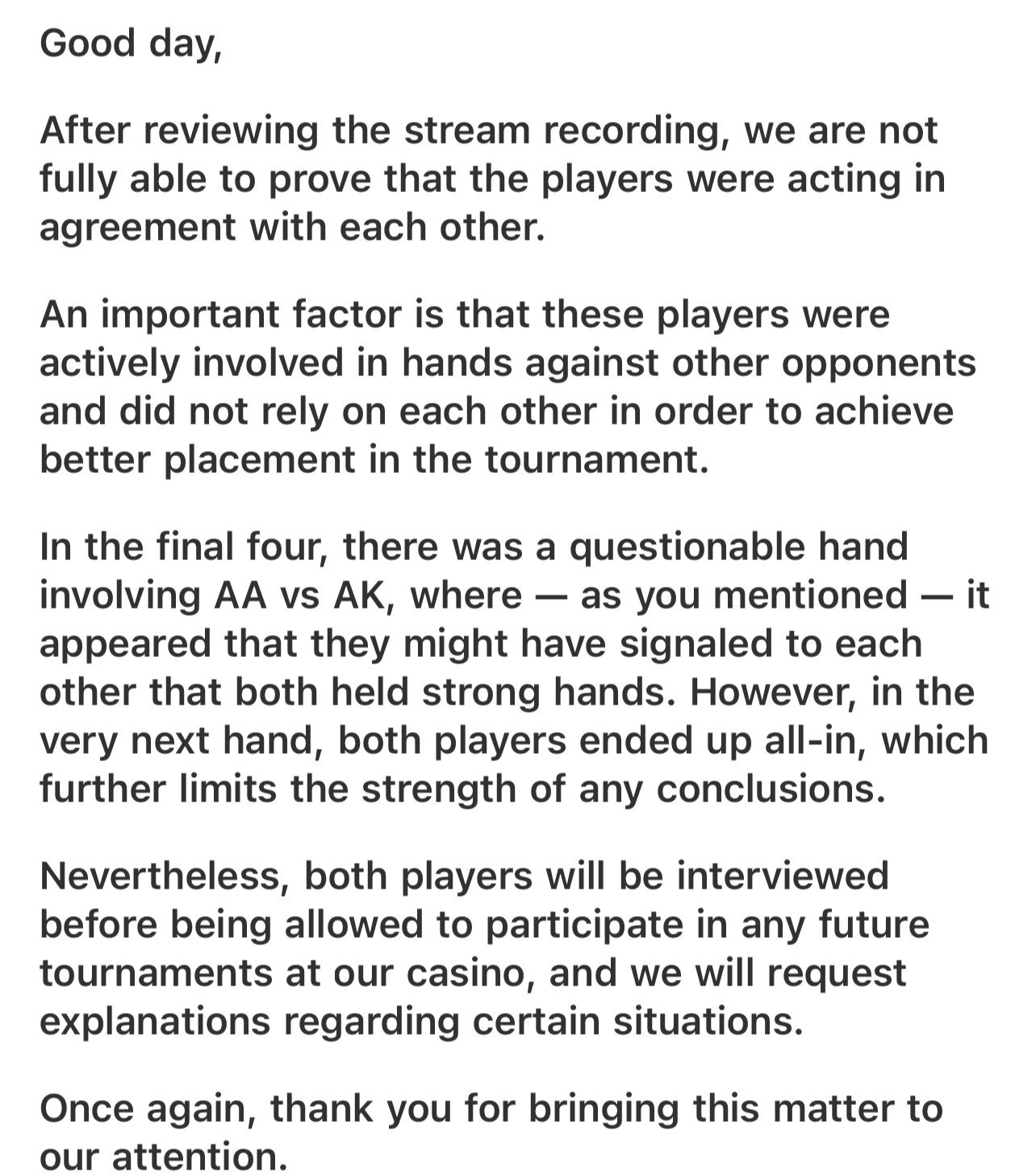
Following the report, the casino issued an official response stating that:
• it is not “fully able to prove” that the players acted in agreement;
• the fact that both players were actively involved in hands against other opponents allegedly weakens the suspicion;
• there was a “questionable” hand in the final four (AA vs AK) where it appeared they may have signaled to each other that both held strong hands;
• conclusions are said to be “limited” because in the very next hand both players went all-in;
• both players will be interviewed before being allowed to participate in future tournaments, in order to provide explanations for certain situations.
In other words:
👉 the footage is clear, the suspicions are implicitly acknowledged, yet no concrete action has been announced at this stage.
And this is where the real issue lies.
Poker survives on trust.
When repeated visual evidence exists and the response is “we cannot draw firm conclusions,” the message sent to the community is dangerous: standards become flexible.
The community has done its job:
• it analyzed,
• it documented,
• it demonstrated.
Now the questions remain fully legitimate:
• what exactly would have been sufficient proof?
• why is repeated signaling not treated as a serious violation?
• what guarantees are there that such behavior will not be tolerated in the future

This is just insane to me. Collusion doesnt need to be given some massively high evidentiary requirement. You dont have a “right” to play poker, and hell, maybe im an extremist on this position, because I think the casino ought to be doling out 1 week bans just for infractions as small as being ****ing annoying.
As for this specific situation, not only is it clearcut, i think you cant be too safe, id rather a few people get improperly banned than let a few cheaters into a game. I mean, at minimum they gotta be warned, and watched closely by the floor, or banned from playing in tourneys together.
Hello everyone,I’m posting this to ask for objective analysis from experienced live players and anyone familiar with casino integrity procedures.During a live tournament final table, I noticed what appears to be repeated, consistent physical gestures between two players (relatives) that seemed correlated with their hole-card strength. I am not claiming intent or guilt, only des
OH man, how do you prove a thing like that. I did see it on the REAL HUSTLE a uk tv program that showed things such as chip dumping. Chip dumping being hard to prove because the hand is mucked
You dont have to prove anything. If it stinks, you ban em, plain and simple. People being conditioned to think everything has the evidentiary requirement criminal court is such a disaster for society.
I get the instinct to “err on the side of safety”, but that approach is dangerous in poker if it’s not paired with clear standards and proportional consequences.
Yes, poker is a privilege, not a right but tournaments also rely on trust, consistency, and due process. If the bar for punishment becomes “it feels wrong” or “better safe than sorry,” you open the door to arbitrary bans, reputation damage, and witch hunts based on vibes instead of evidence.
Collusion absolutely exists and must be punished hard when proven.
But proven means patterns, incentives, hand histories, corroboration not isolated situations that can be explained by ICM pressure, table dynamics, or bad optics.
Warnings, closer monitoring, or separating players at tables? Totally reasonable first steps.
Immediate bans or tournament exclusions without solid proof? That sets a precedent where any two good friends or countrymen deep in a tournament become suspects by default.
Poker integrity isn’t protected by overreaching it’s protected by consistent, transparent enforcement. Otherwise, you don’t just catch cheaters… you chill the entire player pool.
That helps nobody.
Exactly that’s the core issue: collusion is almost never proven from a single hand.
Chip dumping is a classic example and, as you said, it’s especially hard to prove when the hand is mucked. That’s why serious cases aren’t built on “one weird hand,” but on repeated patterns:
• how often two players end up in large pots together
• similar ICM spots where one player consistently gives up equity
• selective showdowns versus frequent mucks
• timing tells, unusual sizings, or systematic avoidance of other players
Very often, the evidence isn’t a hand, but the context: tournament structure, relative positions, table dynamics, and clear benefit to one player.
And precisely because it’s hard to prove, the answer isn’t lowering the evidentiary standard it’s applying graduated measures: monitoring, warnings, table separation, and post-event hand-history reviews, which is how serious casinos and online platforms handle it.
Otherwise, you risk turning poker into a reality show instead of a competitive game with clear rules.

